Is It Too Late to Save Chocolate and Coffee?
August 20, 2025
What the new climate research really tells us — and why the story isn’t over.
A new study published in Environmental Research Letters (Wilson et al., 2024) has suggested that we may see a significant decline in suitable growing conditions for cacao and coffee by the end of the century. The challenge is already visible: changing rainfall patterns, hotter nights, and soil fatigue are making traditional growing systems less reliable.
But the headline that circulated — “It may already be too late” — leaves out something important. It’s not too late, but we do need to grow differently.
What the Research Actually Shows
The study mapped projected climate changes against crop ranges across Latin America, Africa, and Asia. The largest losses in cacao suitability occur where:
- Shade trees have been removed,
- Farms are monocropped,
- Soil biodiversity is low,
- And water stress is increasing.
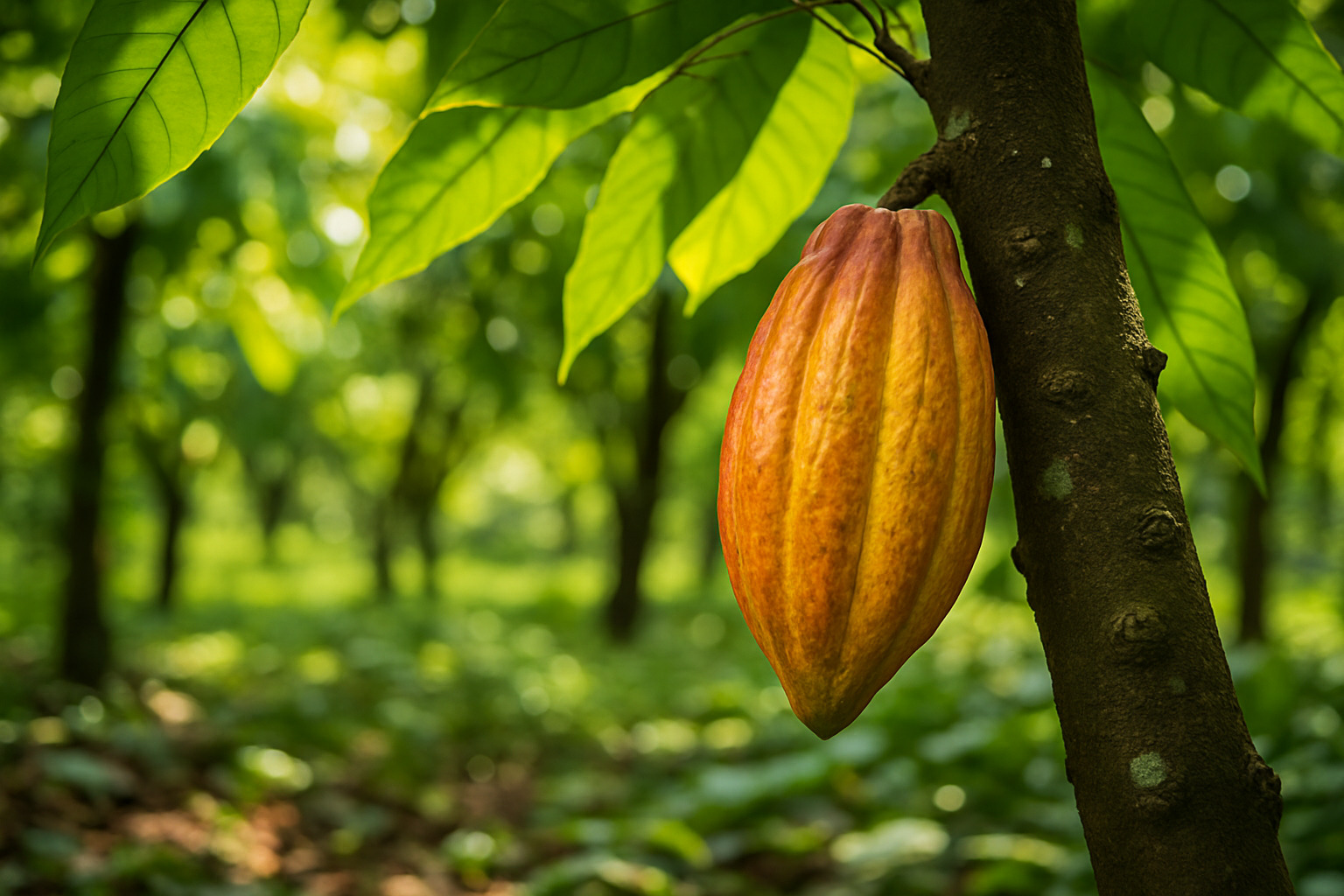
In contrast, regions where cacao is grown under canopy and alongside other crops — what’s known as agroforestry — are projected to remain far more resilient. In other words: Cacao grown like a forest crop survives. Cacao grown like a factory crop struggles.
This Is Why Origin Matters
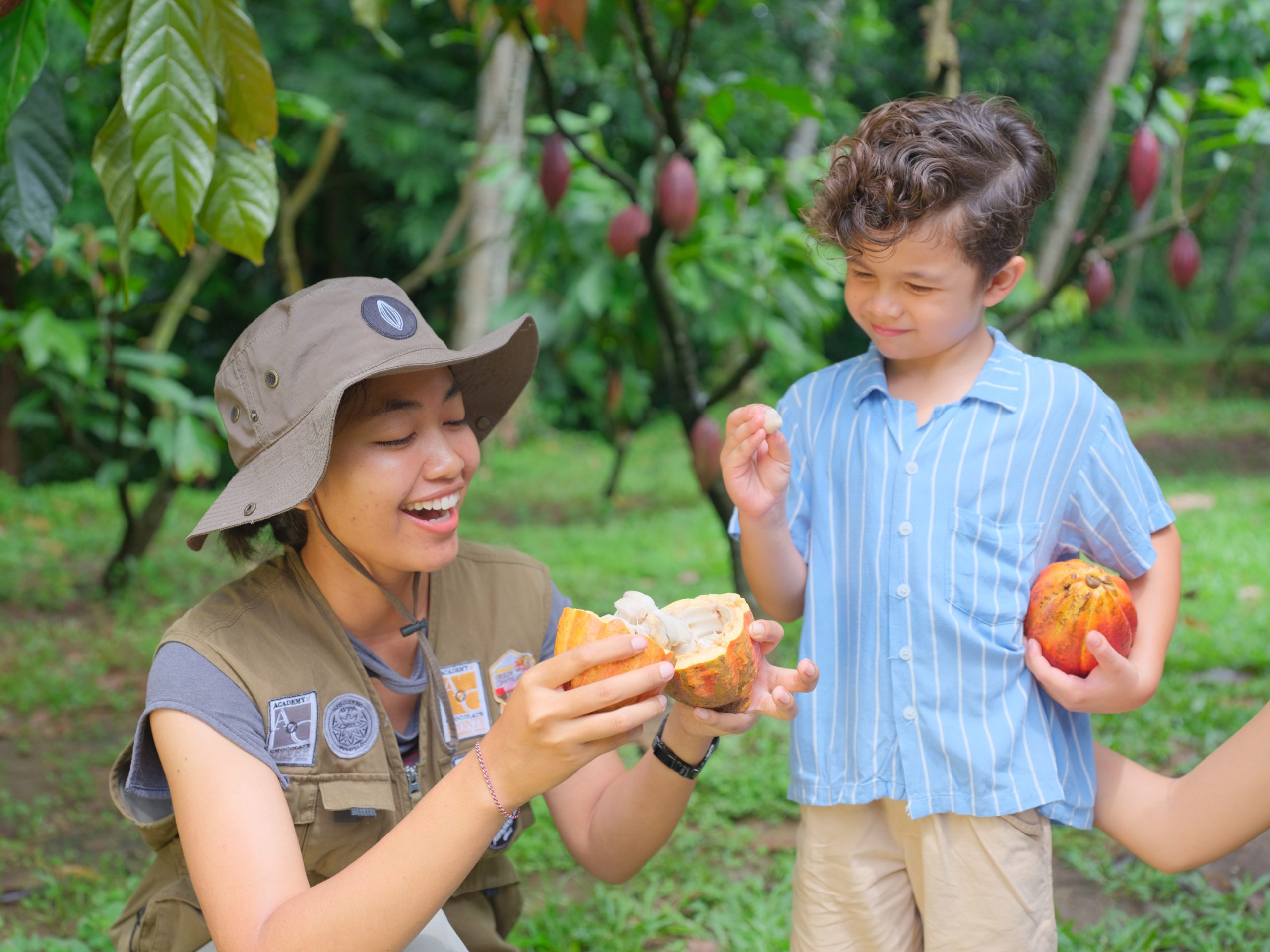
At Junglegold Bali, our farm partners plant cacao in biodiversity, not in cleared fields. Shade trees help regulate humidity and temperature. Leaf litter restores soils. Insects and birds return. Disease pressure drops. And the flavor improves — richer aromatics, deeper cocoa notes, a longer finish.
This isn’t romantic storytelling — it’s agronomy and it’s the difference between a crop with a future and a crop in decline.
“People often talk about saving chocolate in abstract terms — as if it’s something happening somewhere else. But the reality is that cacao only survives when the ecosystems around it survive. The future of chocolate depends on how we choose to grow it — and how we choose to value it.” — Tobias Garritt, Founder, Junglegold Bali
So What Can We Do?
- Support chocolate that comes from tree-shaded, biodiversity-friendly farms.
- Choose brands that work directly with farmers rather than commodity brokers.
- Understand that flavor is not just a luxury — it’s a signal of ecological health.
Or simplest of all: Taste the difference.
If you’re in Bali, come visit the factory — we’ll show you the cocoa trees, the shade canopy, the fermentation room, the roasting, and the final product. You’ll see exactly why this matters.
The future of chocolate is not written yet. But we are writing it now.